
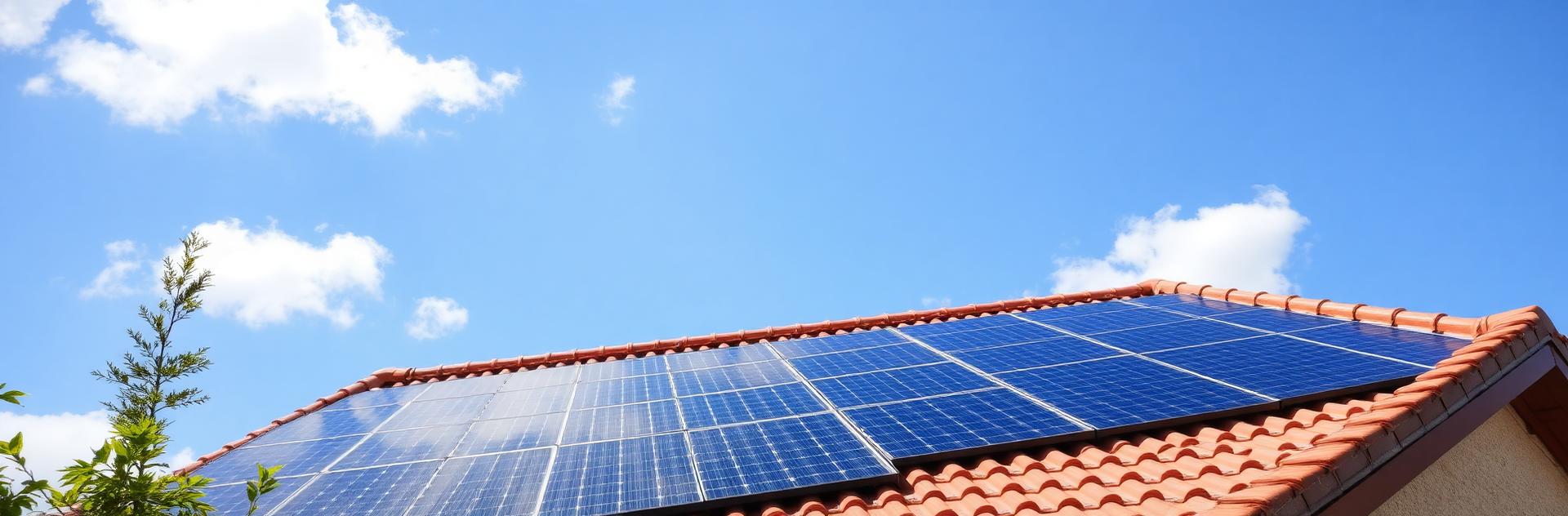
How Solar Works
Solar power is simpler than you might think. Solar panels on your roof generate electricity from daylight, which you can use straight away, store in a battery, or sell back to the grid. Here is a step-by-step look at how a typical solar system works.
1. Sunlight hits the panels
Solar panels are made up of photovoltaic cells that convert sunlight into direct current (DC) electricity. Even on cloudy days, modern panels can generate power.
2. Inverter converts power
An inverter converts the DC electricity into alternating current (AC), which is the type of electricity used in your home and business.
3. Power your property
The electricity flows into your property to power lights, appliances, and anything else that uses electricity. Any excess can be sent to the grid or stored in a battery.
4. Save and earn
By using your own solar power, you buy less electricity from your supplier. You can also earn money from exporting surplus energy back to the grid through the Smart Export Guarantee.
5. Lower your carbon footprint
Solar energy is clean, renewable, and reduces your reliance on fossil fuels. A typical home system can save over a tonne of CO2 every year.
Battery Storage
Adding a battery to your solar system lets you store excess energy generated during the day for use in the evening or during power outages. This increases your energy independence and helps you get the most value from your panels. We can design a battery-ready system or add a battery to an existing installation.